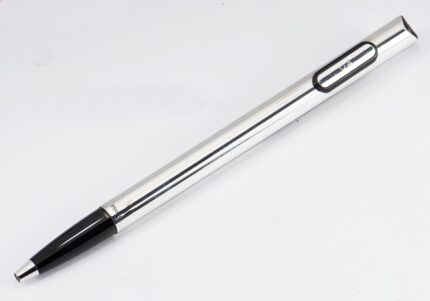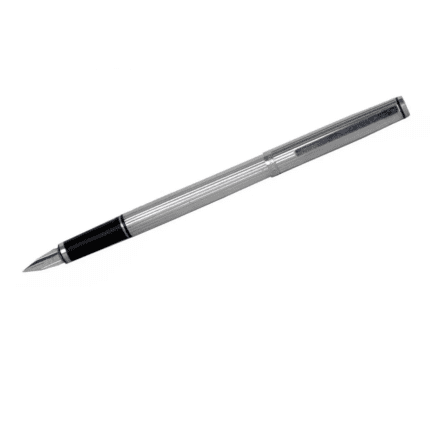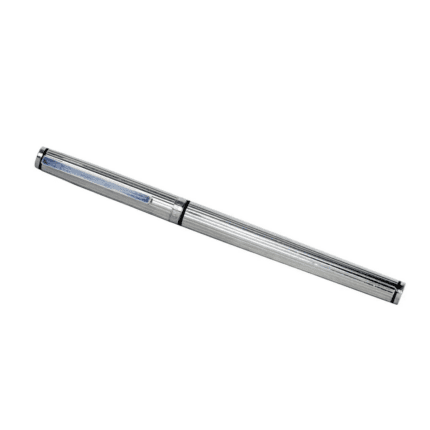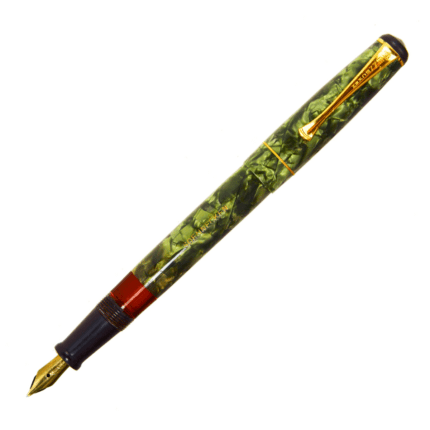

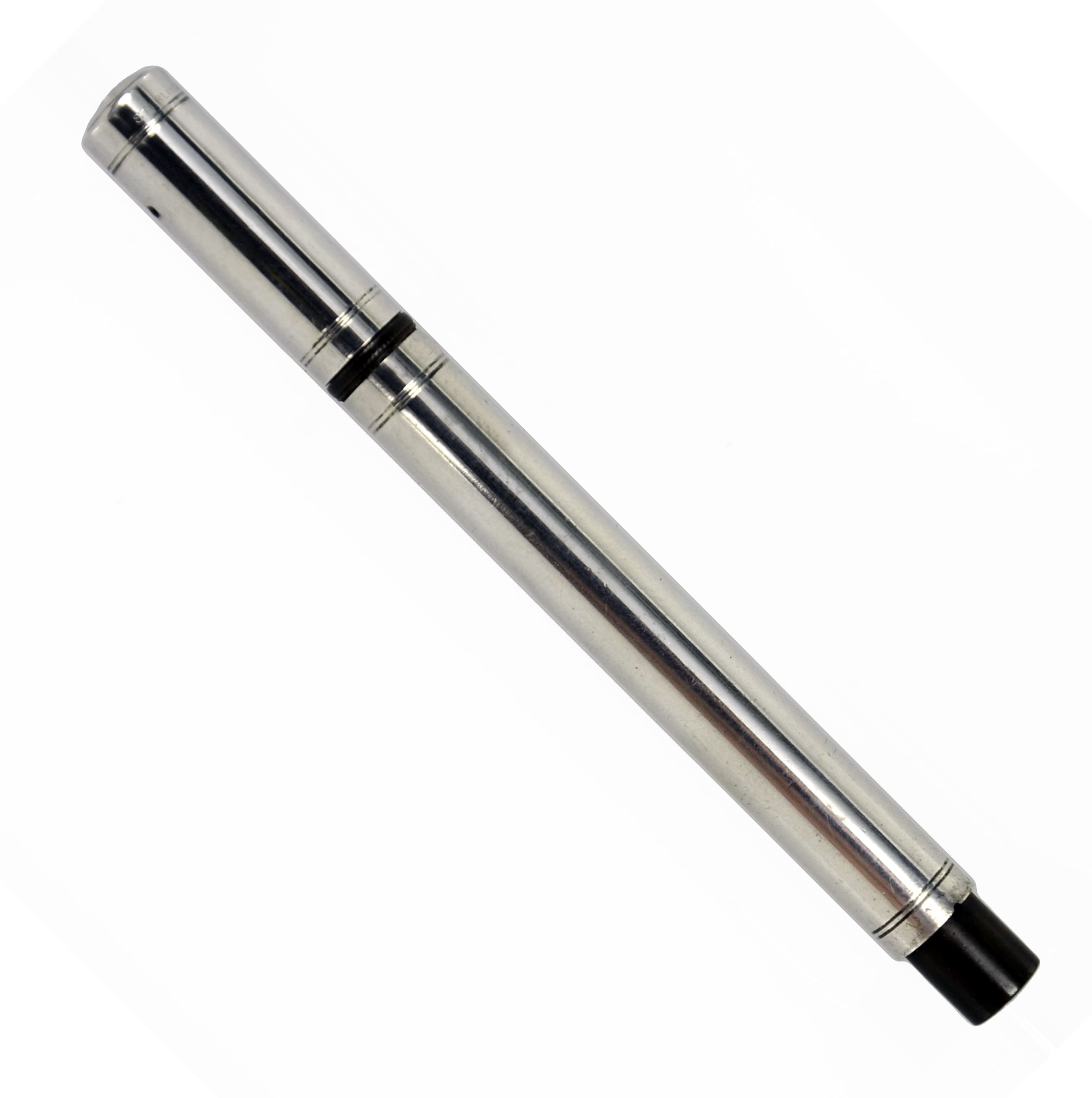
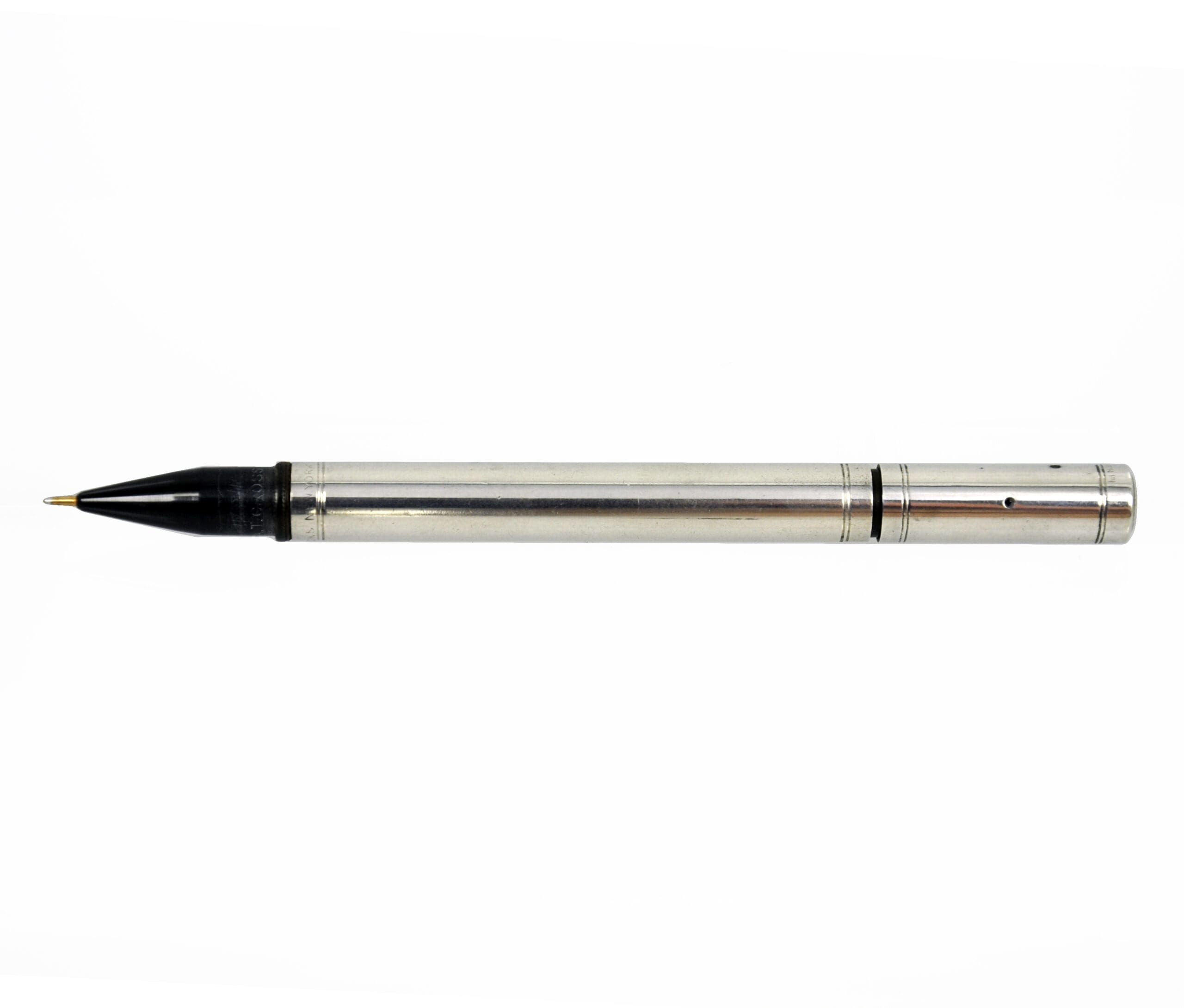
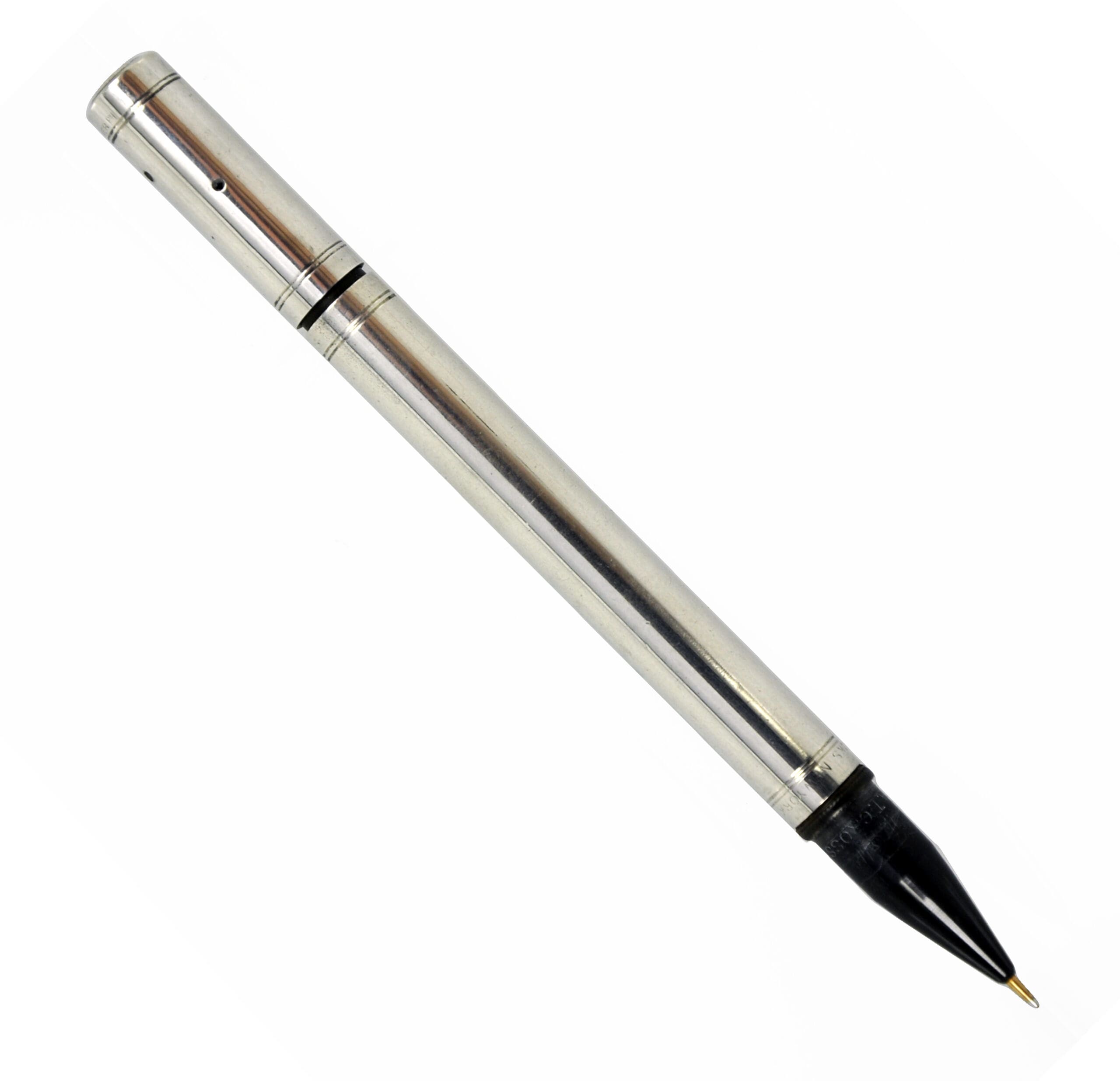
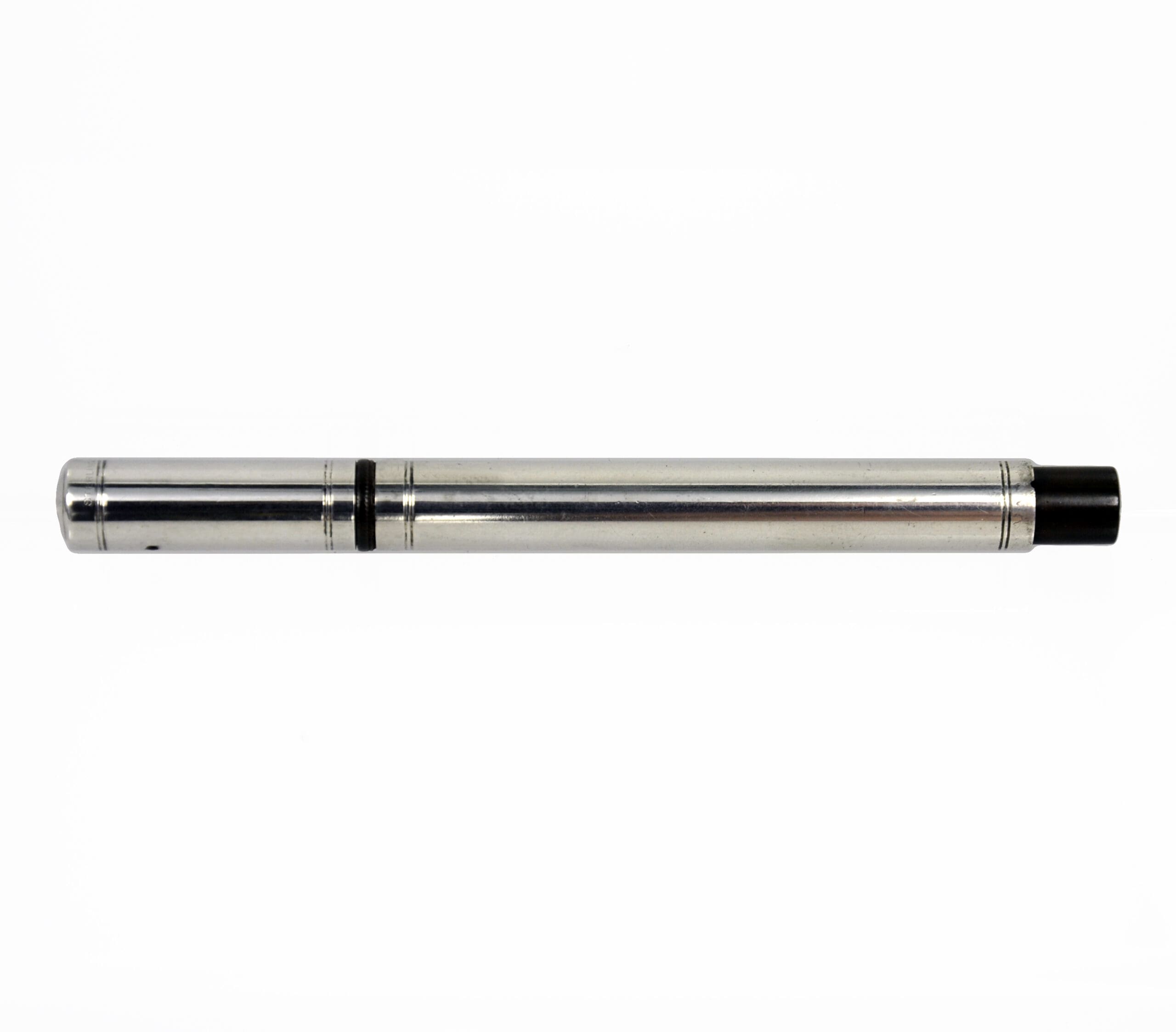
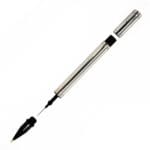
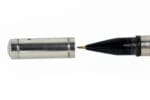
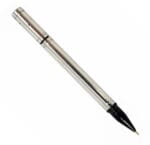
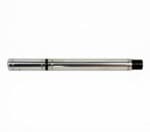
- Maker: W. S. Hicks
- Mechanism by: A. T. Cross
- Country of manufacture: USA
- Production period: Circa 1875
- Type: Stylographic fountain pen
- Material: Sterling silver
- Filling system: Eyedropper
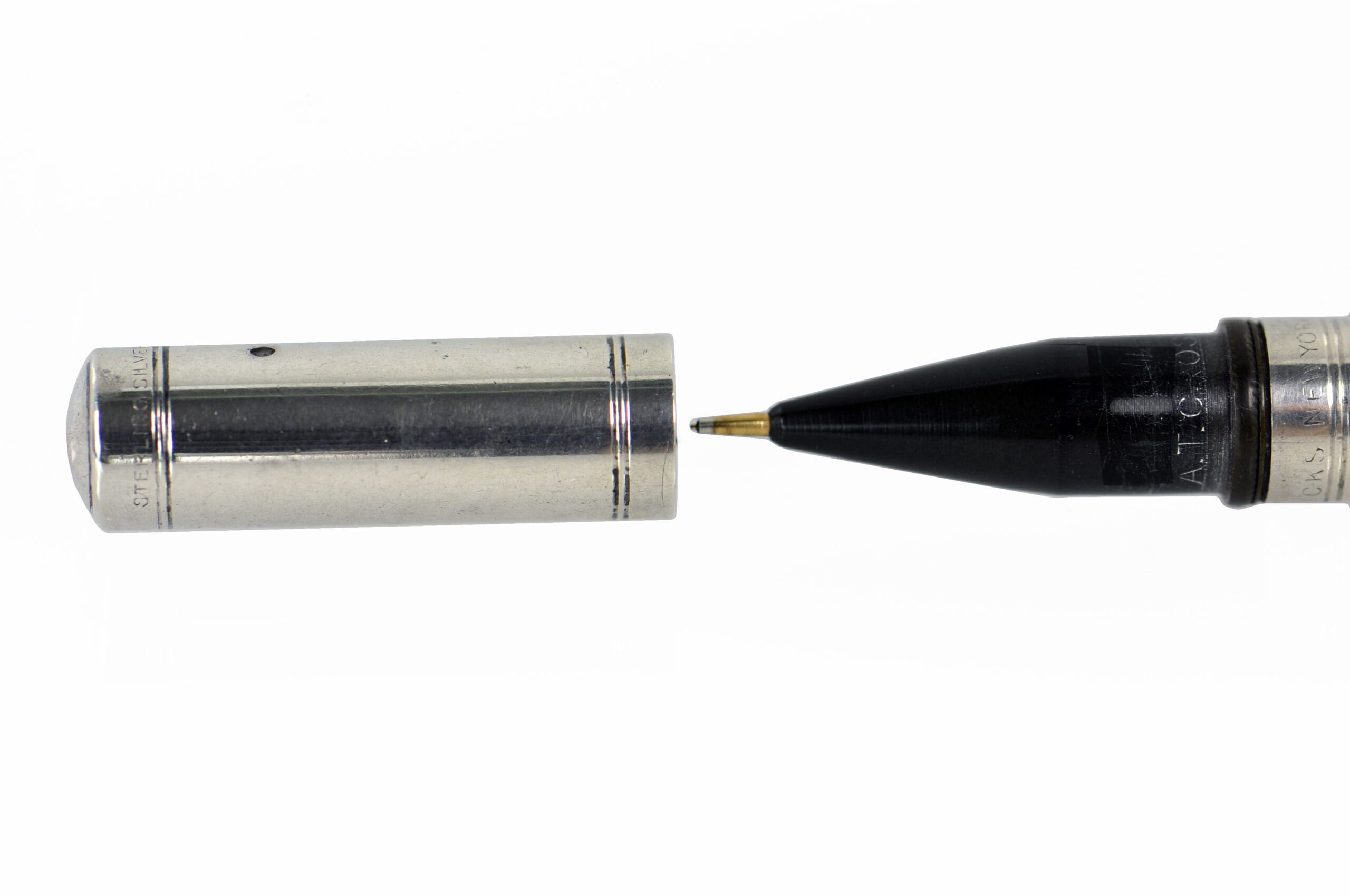
- Writing system: Capillary stylographic point
- Writing point: Spring-loaded needle
Of exceptional historical importance, this is recognized as the earliest known fountain pen produced by W. S. Hicks.
Offered for your consideration is this extraordinarily rare and historically important sterling-silver stylographic fountain pen, produced by the celebrated New York writing-instrument manufacturer W. S. Hicks and incorporating a mechanism developed by pioneering American pen inventor Alonzo Townsend Cross.
Its importance goes far beyond rarity.
This pen emerged during one of the most extraordinary periods of technological invention in modern history. Within just a few years, Alexander Graham Bell patented the telephone in 1876, Thomas Edison introduced the phonograph in 1877 and developed his practical incandescent electric lamp in 1879.
Against this remarkable background of experimentation and invention, MacKinnon, Cross and Hicks were simultaneously addressing another everyday technological challenge: how to transform the centuries-old concept of a reservoir pen into a truly practical, portable and self-contained writing instrument.
The present pen belongs to that brief and formative period when this challenge was finally beginning to be solved—almost a decade before Lewis Edson Waterman patented the feed system that would subsequently help establish the conventional fountain pen.
The history of the practical fountain pen did not begin with Waterman.
In 1875, Canadian druggist and inventor Duncan MacKinnon patented what he called an “ink pencil”—a stylographic reservoir pen that represented one of the first commercially viable approaches to self-contained ink writing.
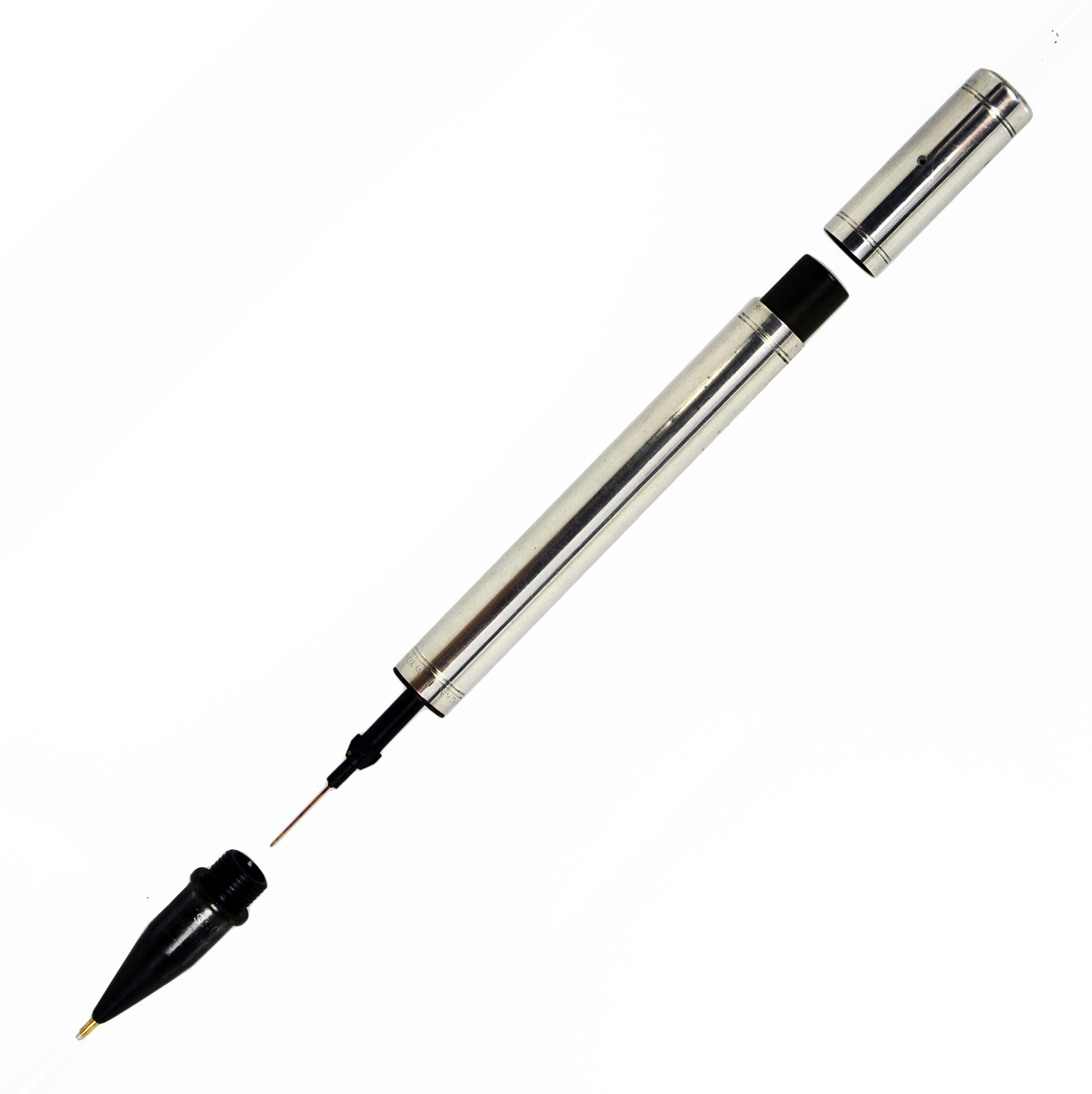
Its principle was ingenious. The barrel served as an ink reservoir and was filled with an eyedropper. At the writing end, a narrow tubular point contained a fine projecting wire. Ink travelled through the tube and along the wire by capillary action before being deposited upon the paper.
Unlike a conventional fountain pen, therefore, there was no split nib. The projecting needle itself formed the writing point.
For the mid-1870s this represented an extraordinary advance: a genuinely portable writing instrument carrying its own ink supply and capable of writing without repeated dipping into an inkwell.
MacKinnon subsequently showed his invention to Alonzo Townsend Cross of Providence, Rhode Island, and left an example with him.
Cross came from an established family of makers of gold and silver pencil cases and writing instruments. The business founded by his father, Richard Cross, in 1846 had already developed numerous ingenious mechanical writing devices.
A. T. Cross immediately recognized the potential of MacKinnon’s stylographic concept—but also saw how it might be improved.
His crucial refinement was to make the writing needle spring-loaded. When the point touched the paper, the needle moved inward and permitted ink to flow. When the pen was lifted, the spring returned the needle to its resting position, restricting the ink supply and greatly reducing the likelihood of leakage.
Cross subsequently patented his spring-loaded improvement in 1877. However, as was entirely normal in nineteenth-century manufacturing, experimental production and commercialization could precede the formal granting of a patent; hence the familiar designation “Patent Pending.” The recognized circa-1875 dating of these earliest instruments therefore belongs to precisely this formative period of experimentation, patenting and initial manufacture.
Meanwhile, in New York City, William S. Hicks had established himself as one of America’s foremost manufacturers of fine gold pens, pencil cases and precious-metal writing instruments.
Operating from Maiden Lane—the heart of New York’s jewellery and precious-metal trade—Hicks developed an exceptional reputation for craftsmanship and design.
The paths of Hicks and Cross consequently crossed at an extraordinarily significant moment in the development of the fountain pen.
Using a stylographic mechanism supplied by Cross, W. S. Hicks produced the remarkable sterling-silver reservoir pen offered here.
It represents the earliest known stage of Hicks fountain-pen production: a precious-metal writing instrument created while the very concept of the practical fountain pen was still being invented.
The pen is filled by unscrewing the appropriate section of the barrel and introducing ink directly into the reservoir with an eyedropper.
At the writing end, ink travels through the narrow stylographic tube by capillary action.
Within that tube is the spring-loaded metal needle associated with Cross’s improvement of the original MacKinnon concept. Contact with the writing surface permits the controlled delivery of ink, while lifting the point allows the needle to return toward its closed position.
To the modern eye the mechanism appears remarkably simple.
Historically, however, it represents one of the crucial intermediate stages between the dip pen and the familiar nib-equipped fountain pen that would dominate writing for much of the twentieth century.
William S. Hicks subsequently became one of the most distinguished American manufacturers of precious-metal writing instruments.
His workshops were renowned for finely made gold pens, pencil cases and other writing accessories, combining mechanical precision with the standards of finish expected from the jewellery trade.
The importance of Hicks would eventually extend far beyond products carrying his own name.
In succeeding decades, his workshops manufactured finely crafted precious-metal writing instruments retailed by such prestigious houses as Cartier and Tiffany & Co. Surviving examples produced for other leading jewellers, including Van Cleef & Arpels, have likewise been attributed to Hicks.
Seen in that context, the present circa-1875 stylographic pen becomes still more significant.
It stands at the very beginning of the fountain-pen history of a manufacturer who would later produce writing instruments for some of the most celebrated luxury houses in the world.
Objects from the formative years of fountain-pen manufacture survive in remarkably small numbers.
Fewer still unite the work of two historically important American writing-instrument pioneers in a single object.
The present pen embodies the contribution of A. T. Cross to the development of the practical stylographic mechanism and W. S. Hicks’s ability to transform that new technology into a finely crafted precious-metal writing instrument.
More than a writing instrument, it is a surviving document from the formative years of the modern fountain pen—uniting the work of two of nineteenth-century America’s most important writing-instrument pioneers in a single historical object.
For the advanced collector of early fountain pens, American writing instruments or nineteenth-century decorative arts, it represents an exceptionally rare opportunity to acquire an object belonging to the very genesis of modern portable writing.